


Articles
Here’s a sampling of some of my work. (You also can find all my recent work on my Subtack, my Washington Post author page or on my New York Times author page.
In 2009, I wrote about our emerging understanding of obesity as a chronic disease, and the challenges people face in their effort to lose weight.
The Fat Trap
New research is increasingly presenting a more nuanced view of the so-called marriage advantage. For instance, what happens to the body minute by minute, hour by hour, when couples engage in hostile marital disputes?
Is Marriage Good for Your Health?
Watch the Emmy-winning video series about a young woman’s life coping with cancer.
Life, Interrupted
Read the story that prompted President Obama to change the law to protect same-sex couples, resutling in my first (and cherished) GLAAD Media Award!

Kept from a Dying Partner’s Bedside
This remains one of my favorite stories of all time — my NYC marathon experience at the back of the pack.

A Marathon Run in the Slow Lane
This is one of the most difficult and moving stories I ever reported. The women featured in this story have all since died from the disease. When I left them, Debrah held a prayer circle to keep me safe while flying.

The Cancer Divide: Tackling a Racial Gap in Breast Cancer Survival
Oksana Masters inspires me every day. This is my favorite story from the time I helped the New York Times cover the 2018 Olympics!
Oksana Masters’s Road From a Ukrainian Orphanage to Paralympic Stardom

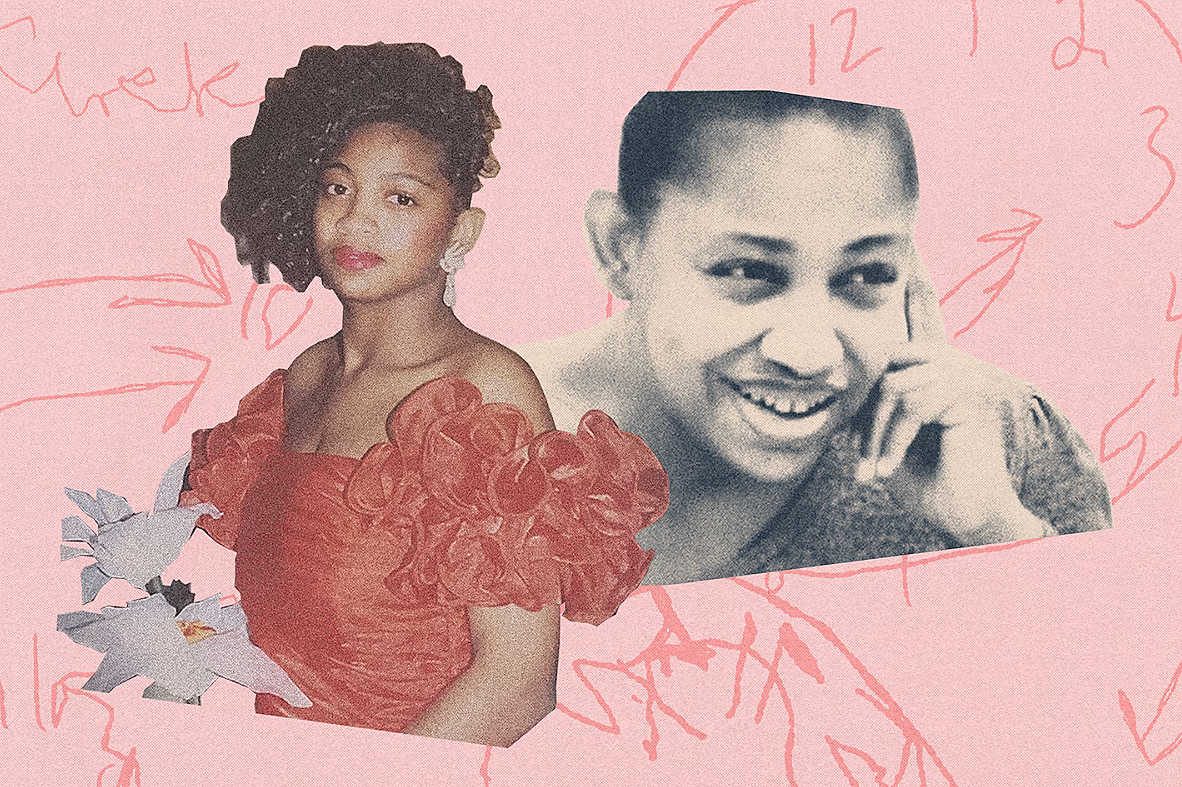
A catatonic woman awakened after 20 years. Her story may change psychiatry.
This was one of my favorite collaborations, working closely with the reporter to shape a complex, deeply human investigation into a clear and compelling narrative that was later optioned for a film adaptation. The award-winning story follows the astonishing awakening of a woman misdiagnosed with schizophrenia for decades and the medical discovery that may change how psychiatry understands its most severe illnesses.
Lessons learned from doctors, patients and my mother
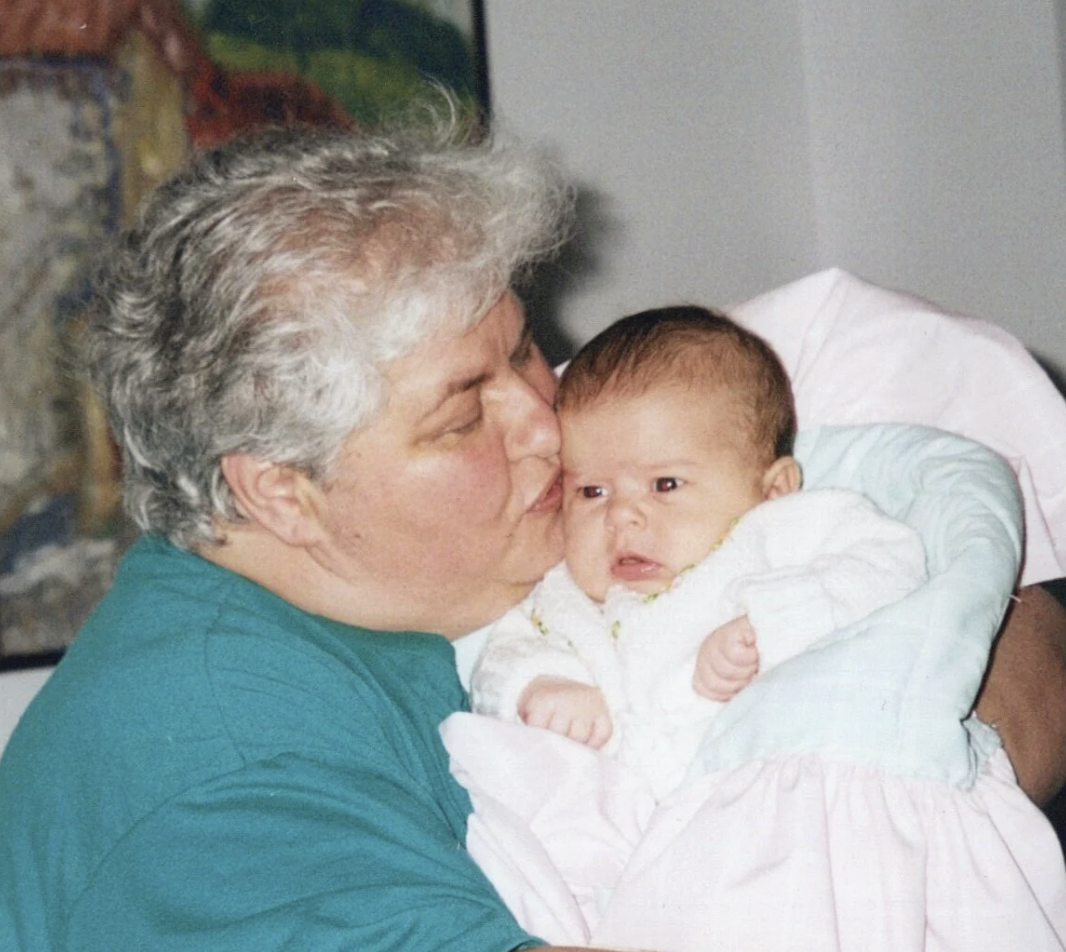
For my final story at the Wall Street Journal, I wrote about losing my mother to esophageal cancer.
By TARA PARKER-POPE
When my mother was diagnosed with a life-threatening cancer a few summers ago, she was convinced that my knowledge of the medical system would help save her.
Part of me believed it, too. I have spent the past eight years writing this column, which is predicated on the belief that we all have the power to take charge of -- and improve -- our health. Usually, we make health decisions about everyday issues, like the foods we eat and how much we exercise.
But sometimes, there's more at stake. In the course of doing research for my job, I've been inspired by a number of people who, facing a serious health problem, have armed themselves with information and lived to tell the tale. There's Jan Guthrie of Conway, Ark., who has researched treatment options in her 24-year battle against ovarian cancer. Barry Fitzpatrick, a Rancho Santa Fe, Calif., attorney, cast a wide net to find a skilled Houston surgeon to remove a rare and risky brain tumor. They used information to navigate the health system, find the best doctors and treatments, and beat the odds. I knew it was possible.
But the odds my mother faced were daunting. She was diagnosed with esophageal adenocarcinoma, a deadly cancer fueled by years of acid reflux. The day before our first mother-daughter vacation, my mom had choked on her lunch and was having trouble swallowing. I was already in Florida, but she was certain she would be delayed by only a day.
But two days later, I was boarding a plane to Dallas instead. The choking episode had been caused by a tumor blocking her esophagus. We knew my mother's chances of stalling her cancer were slim, but we also believed her best hope was to find a doctor we trusted.
We asked other doctors where they would go, and they all recommended the same oncologist. Unfortunately, he wasn't taking new patients, so we saw one of his colleagues. After he covered the basics of my mother's treatment, I asked him about new targeted therapies being studied for esophageal cancer. He shook his head in annoyance. "I can tell someone has been spending time on the Internet," he said dismissively.
I was stunned, but my mother was emboldened. She explained (boasted actually) that I was a journalist. It was clear from his expression that being a member of the media lowered his estimation of me.
The experience rattled me, and even made me question the premise of this column. After all, I'm not a doctor. Is it naïve to think that taking charge and arming yourself with information can change the course of someone's health?
My mother left the appointment wishing she could see the first recommended doctor. She knew him from a consultation years earlier, after breast-cancer surgery. I clapped my hands, suddenly realizing that this doctor wouldn't view her as a new patient. We called his nurse, who found a file on my mom and set up an appointment.
The recommended oncologist was caring and communicative. He answered my questions about new treatments. Most important, he was interested in my mother, her children and grandchildren, and the fact that she wanted to aggressively battle her disease. After just a few treatments, her cancer had all but disappeared from her body. We were hopeful.
But the cancer eventually rebounded with a vengeance. Less than nine months after the diagnosis, my mother entered hospice care. Her confidence in her doctor gave my mom an unwavering calm as she faced death. "You just have to let me go," she told me. She died a few weeks later.
In recent weeks, I have been reflecting on the power of information to improve our health. Although Health Journal will continue to appear in this space every week, this is the last time I will write it. I'm grateful to the many doctors, health researchers and patients who have shared their stories and knowledge over the years.
And even though my mother didn't beat the odds, her illness affirmed my belief that everyone has the power to take control of their health. Taking charge didn't save my mother's life, but it made the end of her life better, and gave all of us confidence in her care and the choices she made.
In the last weeks of her life, my mom encouraged me to keep arming readers with the best weapon they can have against both disease and a sometimes unyielding health-care system. And that's information. She believed, just as I do, in the power of information to save a life, even if it wasn't her own.

Lessons Learned from Doctors, Patients and My Mother
For my final story at the Wall Street Journal, I wrote about losing my mother to esophageal cancer.